Deconstructing “Fragile”

Deconstructing “Fragile”: An Analysis of Armando Heredia’s Anthem Against Racism

Armando Heredia’s “Fragile” is more than just a song; it’s a poignant commentary on the resurgence of racist ideologies and the deep-seated fear that fuels them. This analysis will explore the historical context, psychological implications, and the overarching metaphor of fragility, stanza by stanza, to illuminate the emotional and societal impact of xenophobia.

Stanza 1: Unveiling the Modern Face of Racism

“Well, you traded your white robe for that little red hat. And you’re burning cross for that flagstika flying on the back of your pickup truck while you got that mask on your face. Okay, we get it. You’re a little fragile.”

This opening stanza immediately throws the listener into a landscape of modern racism. Gone are the blatant symbols of the Ku Klux Klan like white robes; they’ve been replaced with subtler, yet equally potent, signs like red hats and flagstikas. This imagery points to a shift in the presentation of racist ideologies. While overt displays of hate might be less common, they have morphed into more insidious forms, often hiding behind political affiliations and dog whistles. The mask, a symbol of concealment, further emphasizes this veiled expression of prejudice. The stanza concludes with the powerful assertion: “You’re a little fragile.” This statement introduces the song’s central metaphor, equating racism with fragility. It suggests that these outward displays of hate are a defense mechanism, a reaction to a perceived threat to one’s identity and worldview.

Stanza 2: Tracing the Roots of Bitterness

“A wise man once said, ‘If bitterness has fruits, it’s probably got roots.’ Actually, it was me. I said it. And I might not be too wise, but it’s not too hard to see through you guys. I know you’re a little fragile.”

Here, Heredia digs deeper, exploring the origins of this fragility. By drawing a parallel between bitterness and fruit, he implies that racist attitudes aren’t spontaneous; they stem from a long history of prejudice passed down through generations. He acknowledges his own statement, “If bitterness has fruits, it’s probably got roots,” emphasizing the cyclical nature of hate. While he might not claim to be “wise,” he can still perceive the insecurity motivating these racist behaviors, further solidifying the fragility metaphor.

Stanza 3: Confronting the Legacy of Fear

“Cuz your granddad and his bros were so afraid that they made sure no one else could drink from their fountains. Yeah. They had their safe spaces so they’d never have to share the room with different races. They wanted to be the only ones with rights. And truth be told, wore their hoods to hide and burn their crosses in the middle of the night. You’re a little fragile, my guy.”

This stanza delves into the historical context of racism in America, referencing the segregation era when basic rights were denied based on race. The mention of “granddad and his bros” directly links current racist behaviors to past generations, highlighting the inherited nature of prejudice. The irony of segregationists creating “safe spaces” while simultaneously infringing upon the safety and rights of others is a poignant observation. Their fear, masked by attempts to maintain racial superiority, ultimately reveals their fragility. The image of hooded figures burning crosses reinforces this notion of fear-driven actions and the inherent weakness it represents.

Stanza 4: Exposing the Insecurity Behind Hate

“A little scared of the world around you. I’m sure that’s got to be why you march in a little twinsy group in your matching uniforms, railing against social norms. Okay, KK, we get it. You’re a little fragile. A little fragile. Just a little fragile, my guy. Ooh. Ooh. A little fragile. A little fragile.”

The final stanza brings the song full circle, explicitly stating the fear that underlies these racist displays. The image of marching in “matching uniforms” points to the conformity and lack of individual thought within these hate groups. The repetition of “You’re a little fragile” serves as a final, resounding indictment of the weakness at the heart of racism.

The Emotional and Societal Scars of Xenophobia

Heredia’s lyrics offer a powerful insight into the emotional impact of harboring racist ideologies. The song suggests that racism stems from a place of fear, insecurity, and a need to feel superior. This constant need to assert dominance over others ultimately reveals a deep-seated fragility within the individual.

On a societal level, the rise of xenophobia, as fueled by the rhetoric mentioned in source 1, has devastating consequences. It creates divisions, fosters distrust, and undermines the very fabric of a diverse and inclusive society. Heredia’s “Fragile” is a timely and necessary call to confront the fragility within ourselves and our communities, urging us to dismantle the systems of hate and build a future grounded in empathy and understanding.

#fragility #racism #xenophobia #socialjustice #music #commentary #ArmandoHeredia #IfWeWereABand

Interested in recording this song. Submit a contact to collaborate.

← Back

Thank you for your response. ✨

Check out If We Were A Band on Apple Music and Spotify.

Daytime Monsters: A Song for Our Times

Daytime Monsters: A Song for Our Times

Armando Heredia’s song “Daytime Monsters,” performed under his pseudonym If We Were A Band, is a powerful commentary on the state of American politics and the dangers of divisive leadership. The song uses the metaphor of “monsters” to represent those who espouse hatred and bigotry, particularly in the context of the 2024 election.

Unmasking the Monsters

Heredia describes these “monsters” as wearing “red hats, red ties, red teeth, red eyes,” a clear allusion to the imagery and rhetoric often associated with certain political ideologies. He notes that these figures, once hidden in the shadows, now operate openly and brazenly, “grinding their teeth in the daytime”. This suggests a normalization of extremist views and a boldness in expressing them publicly.

The Sycophants: Enablers of Hate

The song goes beyond simply identifying the “monsters,” however. It also explores the role of their followers, the “sycophants” who enable their hateful rhetoric. Heredia describes them as “barking and growling to try and prove themselves,” desperate for the approval of their “daddy”. This imagery paints a picture of individuals who are easily manipulated and driven by a desire for validation, even if it means supporting harmful ideologies.

These sycophants are susceptible to manipulation because they crave acceptance and belonging. They find a sense of purpose and identity in following a strong leader, even one who promotes division and hatred. The song suggests that these individuals are not necessarily inherently bad, but rather lost and vulnerable, seeking guidance and affirmation in the wrong places.

The Role of Racism

Heredia explicitly states that the song was written in response to “the vitriol and hatred expressed by many of the supporters of the incoming administration”. He further notes that “many racist groups and individuals have found refuge in, and are emboldened by, the rhetoric espoused by the campaign”. This suggests that racism plays a significant role in the current political climate and is being used to divide and manipulate the electorate.

The song implies that the “monsters” are exploiting racial anxieties and prejudices to gain power. Their rhetoric resonates with those who feel threatened or marginalized, and they offer simplistic solutions based on fear and scapegoating. This creates a dangerous cycle of division and animosity.

Implications for America

“Daytime Monsters” is a stark warning about the fragility of American democracy. It highlights the dangers of unchecked political ambition, the susceptibility of individuals to manipulation, and the corrosive effects of racism on society. The song’s message is clear: we must be vigilant against those who seek to divide us and hold our leaders accountable for their words and actions.

Daytime Monsters is available on The Ladies at the Station EP on Apple Music and Spotify, as well as other major streaming platforms.

#DaytimeMonsters #PoliticalDivision #Racism #Sycophants #AmericanPolitics

The Ladies at the Station EP (Upcoming Release)

A Symphony of Disillusionment: Deconstructing The Ladies at the Station

Armando Heredia, writing as If We Were A Band, crafts The Ladies at the Station EP as a potent reaction to the political landscape of the 2024 election cycle. This article will examine each song within the EP, exploring the writer’s emotional landscape and the themes presented. This exploration will use provided media (listed at the end of the article), showcasing the incoming administration and their supporters, as context.

The Writer’s Distress: Heredia’s lyrics bleed a potent disillusionment and worry for the future, aligning with sentiments expressed by families interviewed in the MSNBC video, facing the specter of mass deportation. He seems to wrestle with the resurgence of xenophobia and misogyny, feeling overwhelmed by an increasingly antagonistic political climate. This sense of powerlessness is powerfully conveyed in the lyric “I hope you get everything you wanted / And the god you traded, for the God who made you keeps all his promises” from “My Fellow Americans”. This line speaks to a resigned acceptance of a potentially grim future.

“Daytime Monsters”: Hate Unmasked

This song establishes the EP’s core themes by immediately addressing the normalization of hate. The “monsters” – with their “red hats, red ties, red teeth, red eyes” – are a stark representation of bigotry that has brazenly entered the mainstream. The line “They used to hide, only come out at night / Now they grind their teeth in the daytime” suggests a shift from concealed prejudice to open displays of it. This mirrors the vulgar, racist displays at the MSG rally.

The song further indicts the “sycophants,” blind followers of these “monsters”. This echoes the behavior of rally attendees who enthusiastically support the hateful rhetoric. The lyrics “They bark and growl to try and prove themselves / So maybe daddy will notice and say / You’re a good little monster” illustrate a disturbing desire for approval gained through aggression and prejudice.

“The Ladies at the Station”: America’s Forsaken Values

“They sent Statue of Liberty back to France. Deported ‘Cause Liberty is a foreign concept, and she’s got that immigrant status.”

The title track uses striking imagery to illustrate the disintegration of core American ideals. Lady Liberty, deported and left at a train station with other marginalized “ladies,” symbolizes the nation turning its back on its own founding principles. This is reinforced by the line “‘Cause Liberty is a foreign concept, and she’s got that immigrant status,” emphasizing the irony of rejecting immigrants in a nation built by them. Hope, seeking asylum due to her inability “to bear another round,” embodies the fading optimism for a positive future. Charity, running from a “creepy Uncle Sam” who represents dishonesty, embodies the death of compassion within the nation.

The “ladies'” fear and anger arise from the threat to their very existence in a society hostile to their values. This resonates with the MSNBC video, where families, especially mixed-status ones, are terrified by the incoming administration’s pledge of mass deportations. The perversion of the “your body, my choice” slogan by MAGA supporters further contributes to this fear. This normally feminist phrase is twisted into a declaration of control over women, adding another layer to the “ladies'” fear by highlighting a misogynistic undercurrent that threatens their safety and freedom.

“New Plantations”: Exploitation in the Name of Economy

This song tackles the economic incentives fueling anti-immigrant sentiments. It exposes the hypocrisy of those who champion nationalist rhetoric while exploiting undocumented labor. The lyrics “You can rent ‘em for ten cents on the dollar / And hold them indefinitely, in your new plantations” draw a parallel between current labor practices and past oppression. The incoming administration’s vow to enact “the largest mass deportation ever in history” raises serious concerns about a system resembling indentured servitude, with undocumented immigrants as the exploited workforce.

The song throws down a moral challenge, particularly for Christians, who are supposed to champion the vulnerable and advocate for justice. The silence from Christian leaders regarding policies that directly threaten immigrants suggests a disconnect between their stated values and actions. Latino culpability is highlighted in the MSNBC video, which reveals a significant portion of Latino men voted for the incoming administration despite its anti-immigrant platform. This raises complex questions about the motivations behind their vote and its potential impact on their own community.

“Not To Belabor The Point”: Immigrants Reduced to Economic Units

Heredia uses dark humor in this song to critique the dehumanization of immigrants, viewing them solely as economic tools. Lyrics satirize the cold calculations behind policies that exploit a captive, detained immigrant workforce. The line “We don’t care where they’re from as long as they’re not from here, cause / We need labor” emphasizes a cynical pragmatism prioritizing profit over human worth. The repeated “Not to belabor the point, but it still comes down to cheap labor, right?” further underlines the callous disregard for the ethical ramifications of such policies.

The incoming administration’s plans to “reinforce immigration in the interior of the country” via actions like workplace raids suggest this dehumanizing view is more than theoretical. The potential for human rights violations in the pursuit of economic gain is a terrifying implication, underlining the moral crisis at play.

“My Fellow Americans”: A Nation Divided

“My Fellow Americans” serves as a scathing critique of a society that has seemingly traded its core values for political expediency and personal gain. The song highlights a sense of despair over the perceived abandonment of Christian principles, particularly concerning the treatment of immigrants and the vulnerable.

  • The lines “I hope you get everything you wanted / And the god you traded, for the God who made you keeps all his promises” express a bitter irony that speaks to the potential consequences of prioritizing political idols over genuine faith. This suggests a spiritual compromise where allegiance is pledged to figures like the incoming administration, rather than to principles of compassion and justice.
  • The lyrics “ask not what you’re country can do for you, with its knee on your neck and a boot in your back, but what it plans to do to you” evoke a sense of impending doom, particularly for those already marginalized. This imagery directly contrasts with the ideal of a nation that protects its citizens, especially the most vulnerable.
  • The song questions the role of Christians in this societal shift, directly challenging their complicity in the creation of a system that seems to contradict their professed values. The line “So, you can take down those old pictures of Jesus, He wasn’t European, anyway, but that’s just an aside” underscores the hypocrisy of invoking Christian identity while supporting policies that harm those in need.
  • The lyrics “But your new god is finally American, yeah, first generation on his mother’s side” further solidifies the idea of a distorted faith where nationalism and political allegiance have become intertwined with religious belief. This notion is reinforced by the actions and rhetoric of individuals like Stephen Miller, who explicitly declare “America is for Americans and Americans only.”
  • The reference to the biblical concept of “mammon” – material wealth and greed – further emphasizes the perceived spiritual corruption at play: “you can’t serve God and mammon, or something like that, you church folk would know more about it, great job.” This line directly accuses those claiming Christian faith of prioritizing personal gain over the well-being of others.

The song concludes by reiterating the potential consequences of abandoning core values, particularly for Christians who have seemingly turned a blind eye to the plight of immigrants and the vulnerable: “I hope you get everything you wanted / And the god you traded, for the God who made you keeps all his promises.” This final statement serves as both a warning and a lament for a society that has lost its way.

Conclusion: A Cry for Justice in a Fading Hope

The Ladies at the Station presents a stark image of a nation wrestling with resurgent xenophobia, misogyny, and exploitation. Its overarching theme is a plea for justice and accountability in the face of these wrongs. The EP specifically challenges Christians and Latinos to confront their participation in this system and actively resist the dehumanization of immigrants. The writer’s emotional arc, from despair to anger, mirrors those who fear the consequences of these policies. The songs remind us that silence is complicity, and that the fight for justice demands action from all who believe in a fairer, more compassionate society.

Here is a bibliography of the YouTube videos mentioned in the sources:

The Magnum Opus

A Deep Dive into If We Were A Band’s “The Magnum Opus”: A Collection of Protest Songs for Our Times

Armando Heredia, writing under the pseudonym If We Were A Band, offers a powerful collection of seven protest songs in his album “The Magnum Opus”. Inspired by the tumultuous sociopolitical climate of the 2024 election cycle, Heredia’s music grapples with themes of societal injustice, power dynamics, and the search for hope amidst a sense of impending doom. This blog post will explore each song individually and analyze how they work together as a cohesive and impactful compilation.

Sometimes even lambs roar!

“The Magnum Opus” Track Order Analysis: A Journey of Disillusionment, Resistance, and Hope

The specific track order of “The Magnum Opus” significantly enhances the album’s narrative arc. It guides listeners through a journey of disillusionment with societal structures, a call to action and resistance, and ultimately, a message of enduring hope rooted in shared humanity and spiritual connection.

  • Setting the Stage (Tracks 1-4): The album opens with “Unbroken and Unfazed,” a powerful anthem of resilience that immediately establishes the album’s central theme of perseverance despite facing hardship and injustice. This sets the stage for the disillusionment that follows. “Tiny Fists,” placed second, introduces the vulnerability of innocents caught in the crossfire of societal conflicts, further emphasizing the need for change. “Americore,” positioned third, provides a scathing critique of a specific brand of American identity rooted in dominance and exceptionalism, directly challenging the status quo. “The End is Near” follows, culminating this initial arc with a sense of urgency and impending doom if the issues raised in the previous songs remain unaddressed.
  • The Turning Point (Track 5): “The Magnum Opus,” strategically placed in the middle of the album, serves as a pivotal turning point. It acknowledges the disillusionment and anger stemming from the realization that societal systems often fail to uphold the values they espouse. However, the song ends with a defiant cry of “We got this!”, marking a shift from disillusionment to a call to action.
  • Embracing Hope and Resilience (Tracks 6-7): The album’s final two tracks offer a message of hope and resilience grounded in shared humanity and spiritual values. “What Matters Most” emphasizes the importance of recognizing our common humanity, urging listeners to connect on a deeper level beyond superficial differences. This message of unity and compassion serves as a powerful antidote to the divisive rhetoric and power struggles explored in earlier tracks. Finally, “Broken Doesn’t Mean The End” concludes the album with a powerful affirmation of hope. It acknowledges the pain and brokenness of the world while emphasizing that healing, renewal, and ultimately, a better future are still possible.

This strategic track arrangement creates a powerful emotional arc throughout the album. It guides listeners through a process of recognizing injustice, confronting disillusionment, and ultimately embracing hope and action. By ending on a note of resilience and the potential for positive change, “The Magnum Opus” leaves listeners feeling empowered rather than defeated, encouraging them to actively participate in building a more just and equitable world.

1. Unbroken and Unfazed (Opus Version): This song embodies the album’s message of resilience in the face of adversity. The lyrics depict a journey from peaceful protest to hardened resistance, acknowledging the “casualties of war” and the “cries” that have gone unanswered. Yet, despite the hardships, the song emphasizes the unwavering spirit of those fighting for justice. The image of an “army in the darkness” with “hearts and wills unbroken” conveys a sense of determination and solidarity.

2. Tiny Fists (Opus Version): Heredia shifts focus to the innocence and vulnerability of children in this poignant track. The lyrics highlight the stark contrast between the purity of a child’s heart and the harsh realities of a world marred by conflict and prejudice. “Tiny Fists” serves as a powerful indictment of societal failings, reminding listeners that children bear the brunt of adult choices and that true progress requires prioritizing their well-being.

3. The End Is Near (Opus Version): This track tackles the concept of “the end” from multiple perspectives. Drawing on religious imagery and historical context, it explores the potential for both literal and metaphorical endings: the apocalypse, the destruction of Indigenous cultures, and the self-inflicted demise of humanity through hatred and division. The song also hints at the possibility of “the end” signifying the end of oppressive systems, a hopeful interpretation that aligns with the album’s overarching theme of social justice.

7. Americore (Opus Version): This track serves as a scathing critique of a particular strain of American identity rooted in dominance, exceptionalism, and a distorted understanding of power. The figure of “Americore” represents those who believe in their inherent superiority by virtue of their “Americanism,” leading them to assert themselves on others and seek power through subjugation. Heredia contrasts this perspective with the legacy of Martin Luther King Jr., highlighting the true power that lies in principles, vulnerability, and the ability to inspire a movement for liberation.

4. The Magnum Opus: The title track sets the stage for the album’s exploration of disillusionment and resilience. The lyrics express the speaker’s initial belief in the “golden rule,” only to have that faith shattered by hypocrisy and systemic inequalities. The repeated phrase “But who are they anyway?” reflects a growing awareness of the power structures that perpetuate injustice. Despite this disillusionment, the song culminates in a powerful declaration of resilience: “We got this!”. This message of defiant hope sets the tone for the album’s exploration of resistance and perseverance.

6. What Matters Most (Opus Version): This song offers a powerful counterpoint to the individualistic and power-driven worldview critiqued in “Americore”. It emphasizes the interconnectedness of humanity, urging listeners to look beyond superficial differences and recognize the shared heartbeat that unites us all. “What Matters Most” champions kindness as a defining characteristic of true American identity, contrasting sharply with the dominance-seeking behaviors of “Americore”. The song’s spiritual undertones further emphasize the importance of compassion and empathy, suggesting that true fulfillment comes from recognizing our shared humanity and connecting with a higher purpose.

5. Broken Doesn’t Mean The End (Opus Version): This emotionally charged track grapples with the themes of tragedy, resilience, and the search for hope in the face of brokenness. The lyrics acknowledge the pervasiveness of suffering and the potential for despair but ultimately offer a message of enduring hope. The repeated refrain “broken doesn’t mean the end” serves as a powerful reminder that healing and renewal are possible even amidst profound pain.

The Magnum Opus as a Cohesive Whole: The seven songs in “The Magnum Opus” work together to create a powerful and timely commentary on the state of American society. They explore the complexities of power, identity, and social justice, offering both critique and hope.

While songs like “Americore” and “The End is Near” expose the dark undercurrents of American society, tracks like “What Matters Most” and “Unbroken and Unfazed” provide a counter-narrative of resilience, compassion, and collective action. The album’s cyclical structure, beginning and ending with declarations of hope and resistance, further reinforces the message that even in the face of immense challenges, the fight for a more just and equitable world continues.

#protestmusic #socialjustice #TheMagnumOpus #IfWeWereABand #ArmandoHeredia #Americanidentity #power #resilience #hope #kindness #community #changemakers

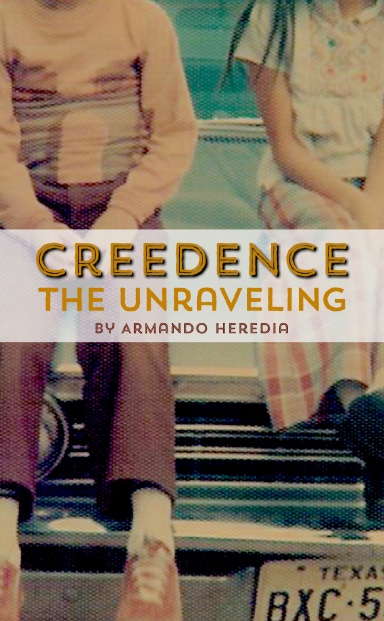
Creedence | The Unraveling

A Musician’s Legacy: Exploring the Emotional Depths of “Creedence” by Armando Heredia

“Creedence” tells the fictional story of Able “Gonzo” Gonzales, an aspiring rock musician, and his four children as they navigate the challenges of life in a small West Texas town. The children’s names, Fleetwood Mac, Santana, Creedence Clearwater Revival, and Olivia “Meatloaf,” reflect Gonzo’s love for music and set the stage for a narrative filled with nostalgia and a deep exploration of familial bonds. The story is inspired by events from Heredia’s childhood, creating a raw and authentic portrayal of the joys and heartbreaks of growing up.

Characters and Relationships

The story revolves around the Gonzales family and their relationships. Gonzo, a single father working hard to support his family, is a loving and devoted dad who uses humor and understanding to guide his children through difficult times. He struggles to balance his responsibilities as a provider with his passion for music, dreaming of recording his own demos.

Each child possesses distinct personalities and experiences:

  • Fleetwood, the responsible eldest son, bears the weight of caring for his siblings in Gonzo’s absence.
  • Santana, scarred both physically and emotionally by a fire he accidentally started, grapples with guilt and withdrawal.
  • Creedence, the imaginative and sensitive youngest son, escapes reality through his fantasies and conversations with his absent mother.
  • Meatloaf, the quiet and observant youngest daughter, demonstrates a deep empathy and connection to her father’s emotions.

The bond between the siblings is tested by accidents, misunderstandings, and the weight of their circumstances. Yet, they learn to support each other, finding solace in their shared experiences and the love of their father.

Overarching Theme: Love and Loss

The overarching emotional theme of “Creedence” is the complex interplay of love and loss. The family’s resilience is tested by the absence of their mother, who left when the children were young. The loss of their neighbor and father figure, Palito Joe, further underscores the fragility of life and the enduring impact of those we love. The children cope with these losses in different ways, highlighting the diverse range of human emotions and responses to grief.

Nostalgia and Setting

The setting of Monahans, Texas, and locations like the Million Barrels, contribute to the nostalgic and evocative atmosphere of the story. The Million Barrels, a massive concrete crater, serves as a playground and a backdrop for significant events in the children’s lives, symbolizing both the freedom and the dangers of childhood. The evocative descriptions of the West Texas landscape, with its stark beauty and unpredictable weather, further enhance the story’s emotional impact.

Personal Note from Armando Heredia

In his own words, Heredia shares his inspiration for writing “Creedence”:

“This is a fictional story that I will be using some of my own experiences in. My wife asked me why I felt the need to write it, and I told her I think I like the idea of using the good and bad in my own past but being able to control the environment and the outcome. Plus, I get to explore some of the feelings that these kids have vicariously, and at the same time maybe understand myself a little better.”

Get Your Copy of “Creedence” Today!

Experience the emotional journey of the Gonzales family in “Creedence” by Armando Heredia. Order your copy directly from the self-publishing site, Lulu.com and immerse yourself in this heartwarming and thought-provoking tale of family, loss, and resilience.

#Creedence #FamilySaga #WestTexas #ComingOfAge #Nostalgia #LuluPublishing #family #love #childhood #trauma